Mother Tongue Language
Qifa Primary School
Our Philosophy
At Qifa, Mother Tongue learning is about more than language proficiency. It is about building confident communicators who are deeply connected to their cultural roots and ready to thrive in a multilingual world. Our programmes are thoughtfully designed to support every learner, celebrate cultural diversity and nurture a lifelong love for language.
1. Supporting and Stretching Every Learner 🌱
Mother Tongue Stretch & Support Programme (SSP)
Our Stretch and Support Programme (SSP) provides a tiered and differentiated approach to cater to pupils with diverse learning needs and abilities. Through targeted instruction, SSP ensures that every child receives the right level of challenge and support in an inclusive learning environment.
Higher Mother Tongue Languages (P3–P6):
For pupils with strong language proficiency, lessons focus on enhancing fluency, deepening language mastery and strengthening cultural understanding.Standard & Foundation Mother Tongue Lessons:
Differentiated classes are designed to meet pupils at their point of need, supporting steady progress and confidence in language learning.
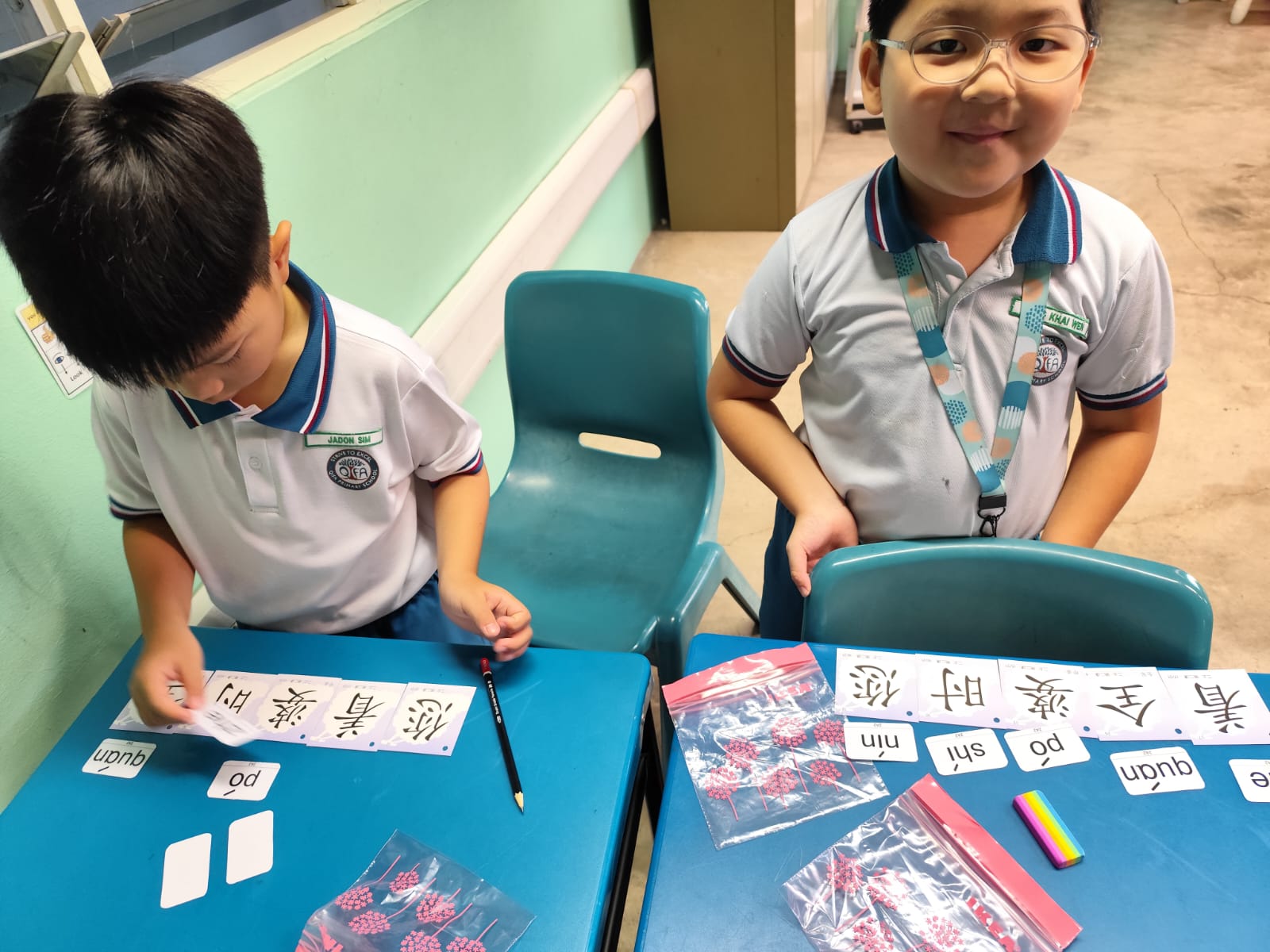
2. Building Confidence Through Targeted Support 🤝
To ensure all pupils develop strong foundations and confidence in their Mother Tongue, a range of structured support programmes is offered:
P1 & P2 Reading Intervention Programme:
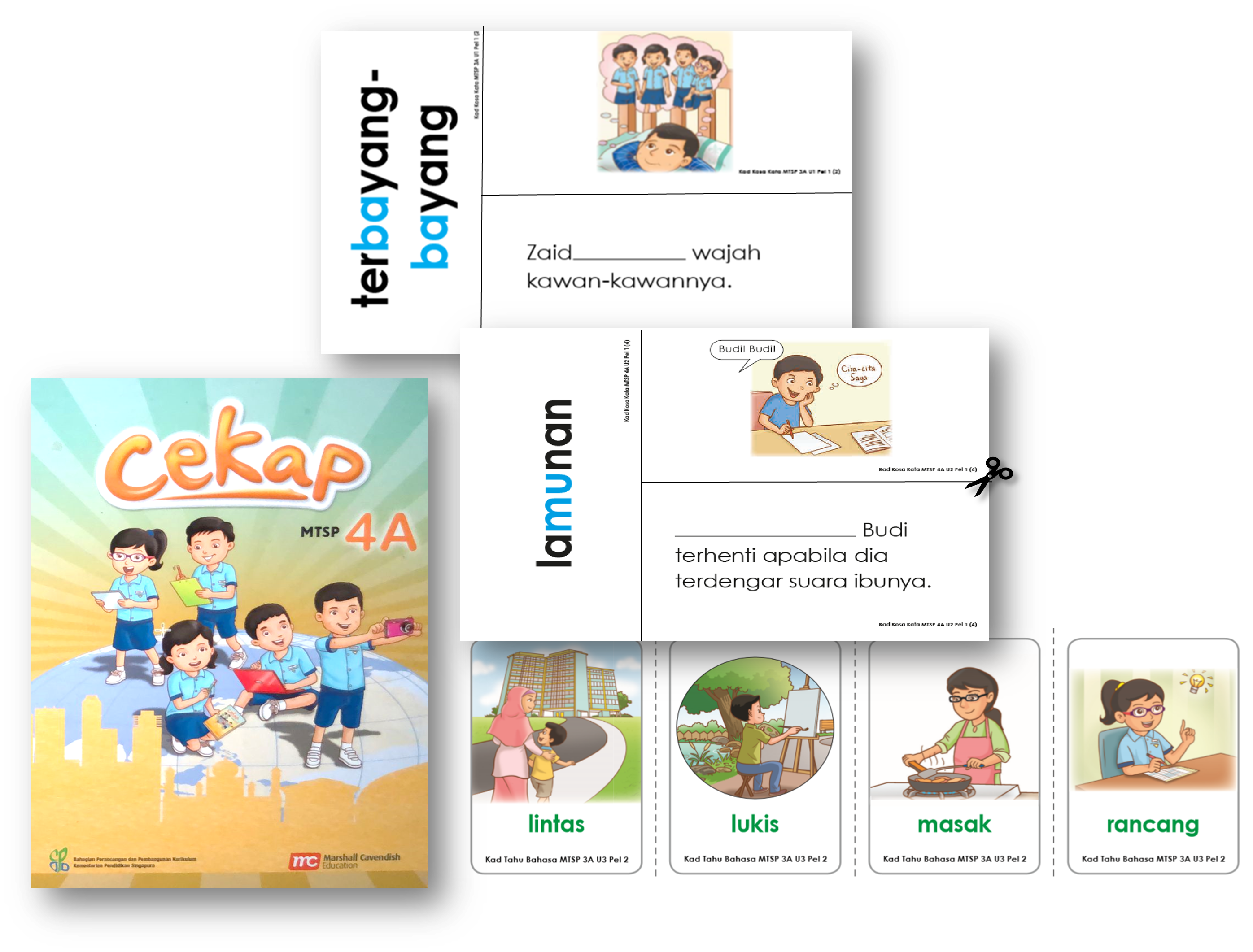
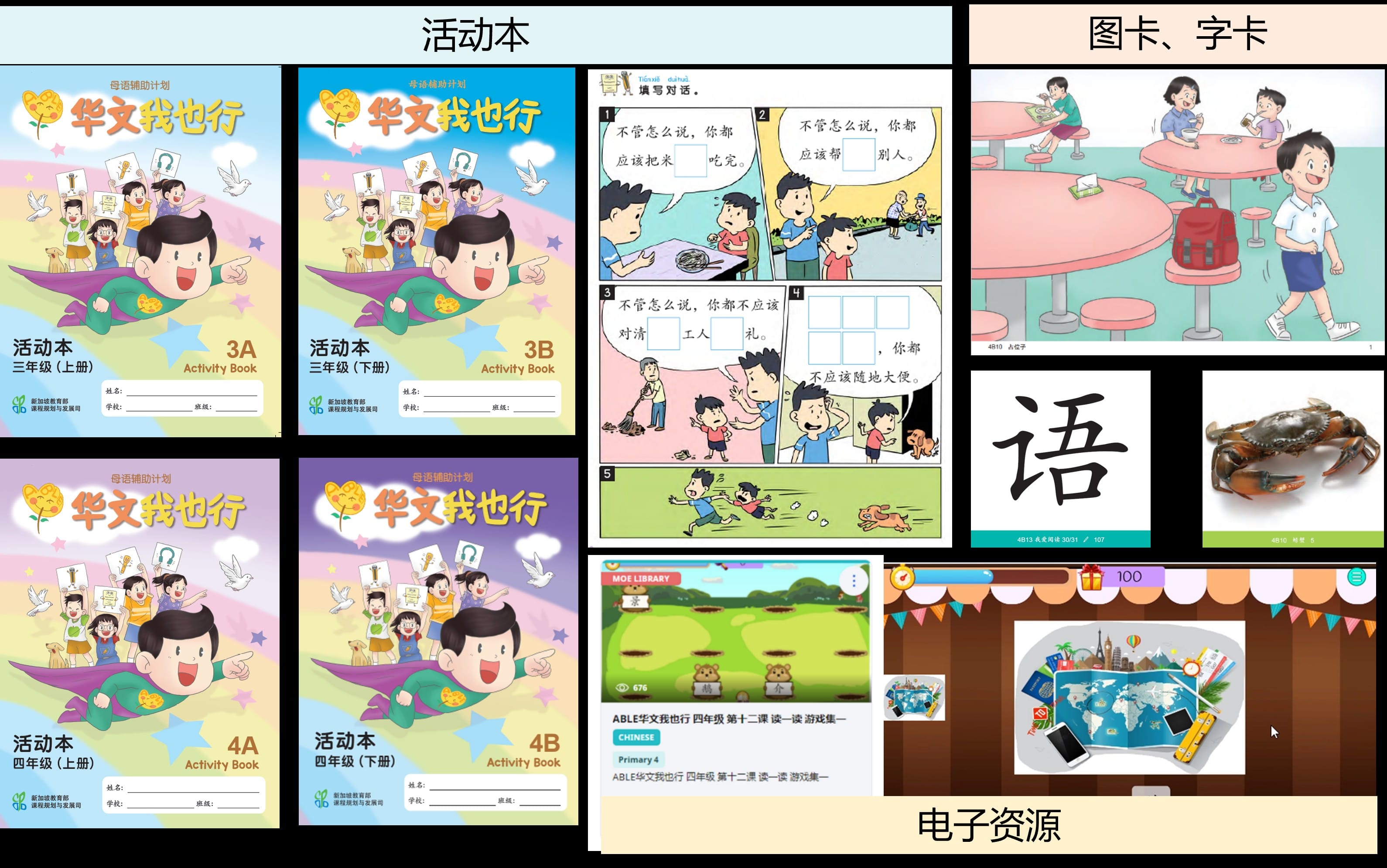
Strengthens word recognition and early literacy skills.P3 & P4 Mother Tongue Support Programme (MTSP-ABLE):
A two-year programme focused on building foundational skills and fluency.Remediation Programme (Selected Pupils):
Individualised support sessions to reinforce key learning.
These are complemented by:
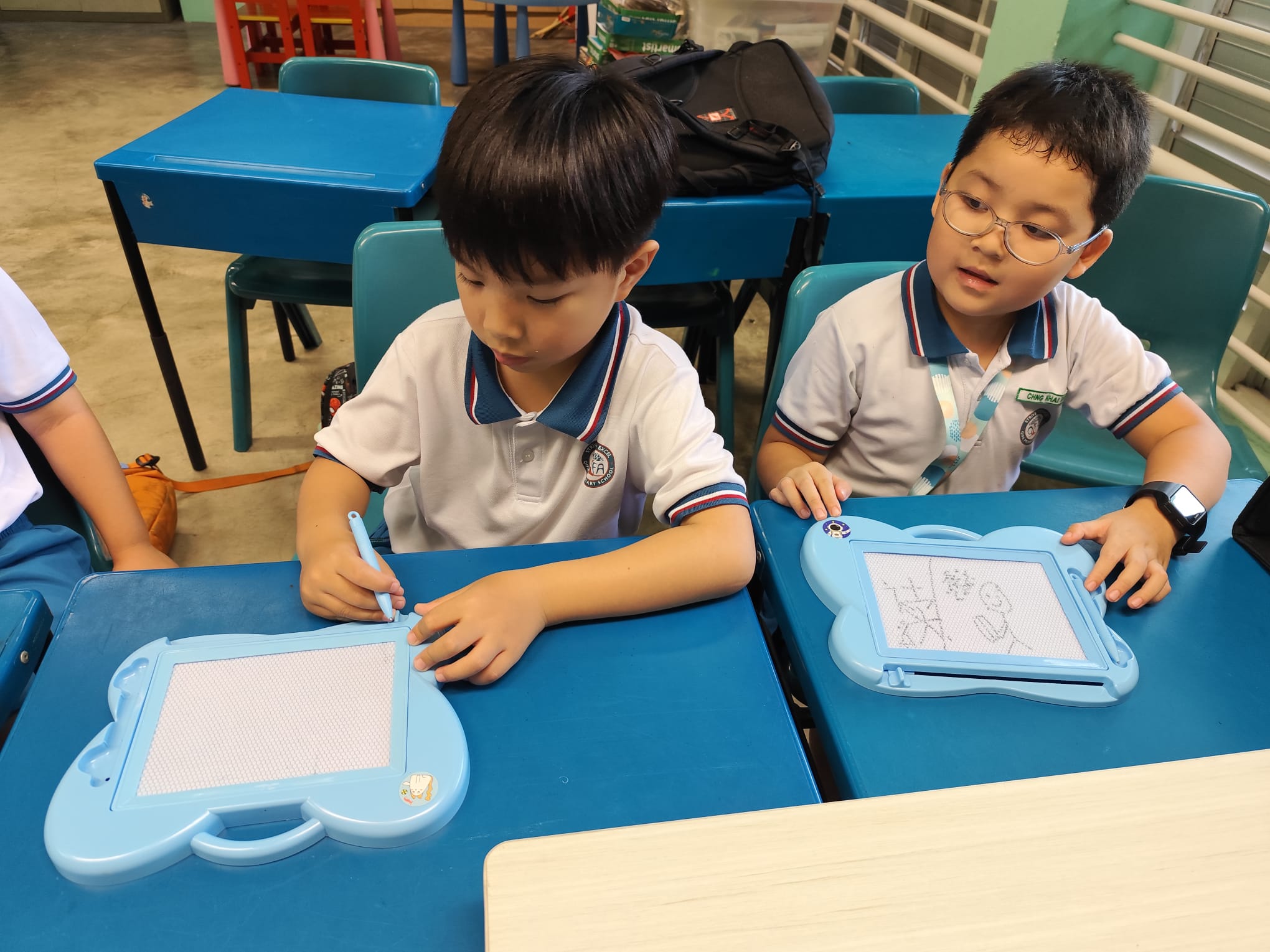
Pull-out lessons in small groups
Co-teaching approaches in class
Supplementary and remedial after-school lessons
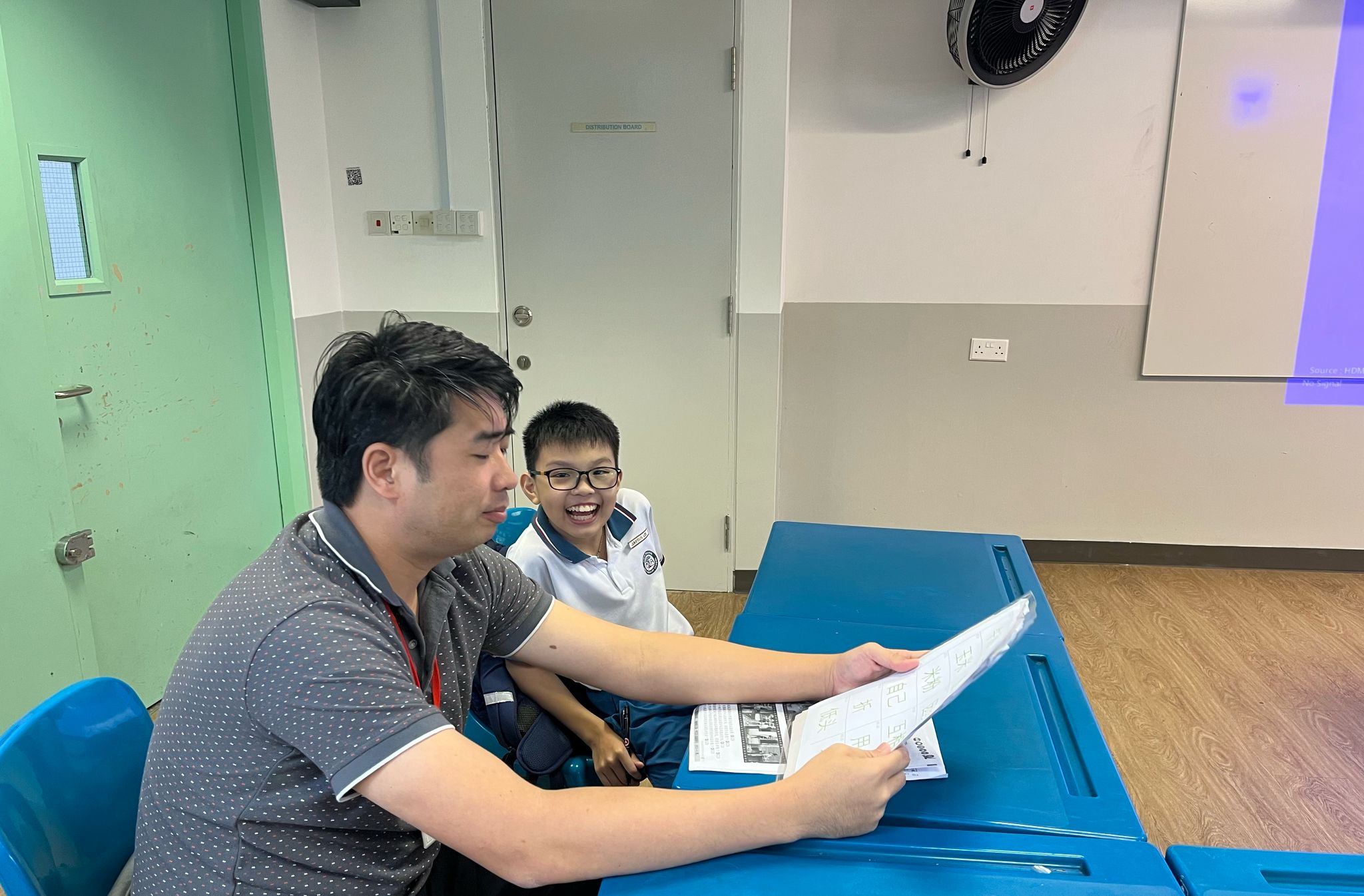
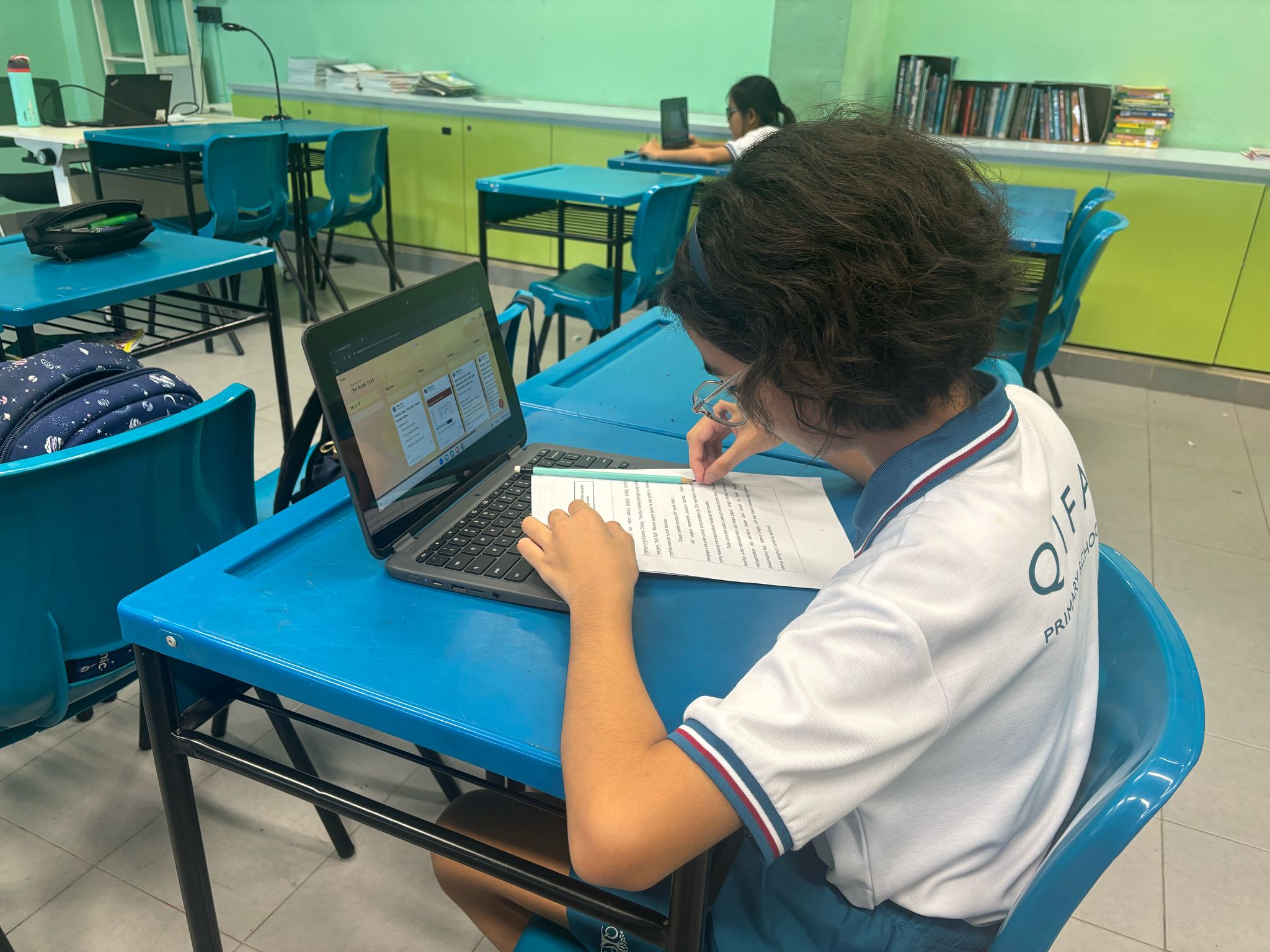
Oral Buddy Programme, supported by teachers or parent volunteers, to develop oracy skills, confidence and effective communication
Together, these approaches ensure personalised learning and steady growth for every pupil.
3. Celebrating Language and Culture 🎉
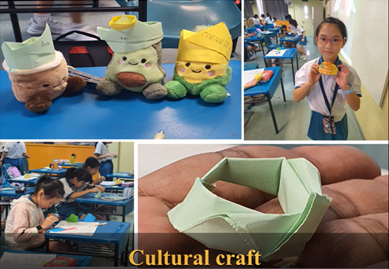
Mother Tongue Fortnight & Fiesta
A vibrant and immersive celebration of language and culture, Mother Tongue Fortnight & Fiesta brings learning to life through hands-on activities and cultural explorations. Pupils deepen their appreciation of their heritage while developing communication skills, adaptability and critical thinking.
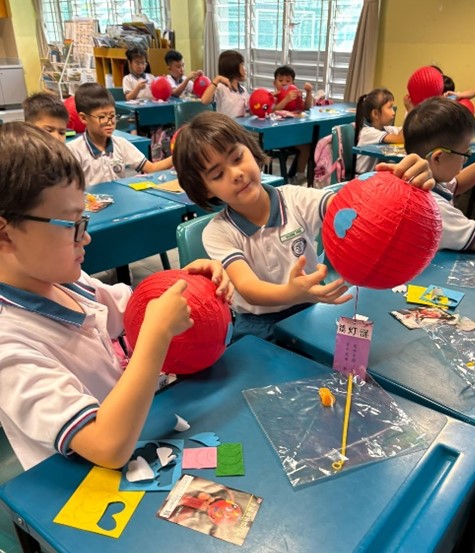
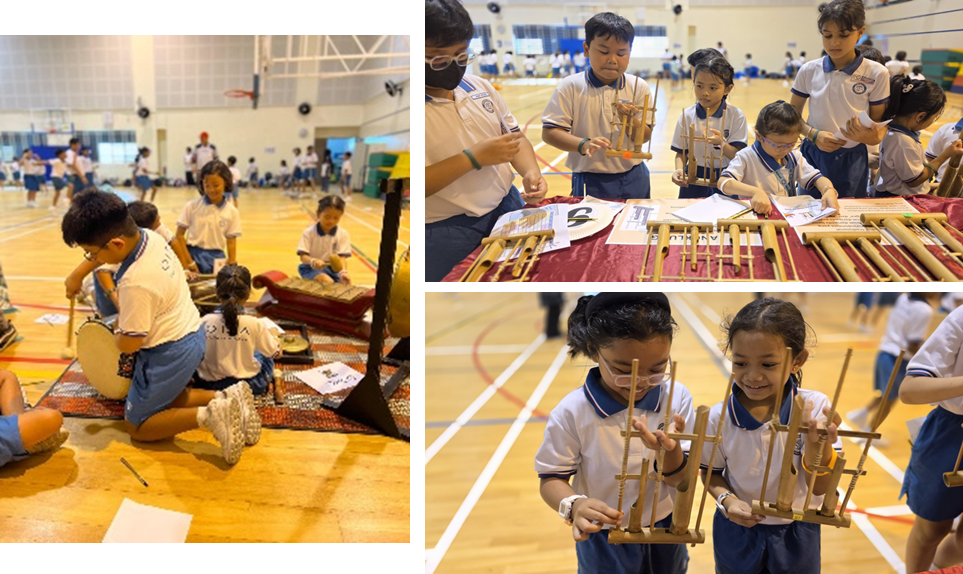
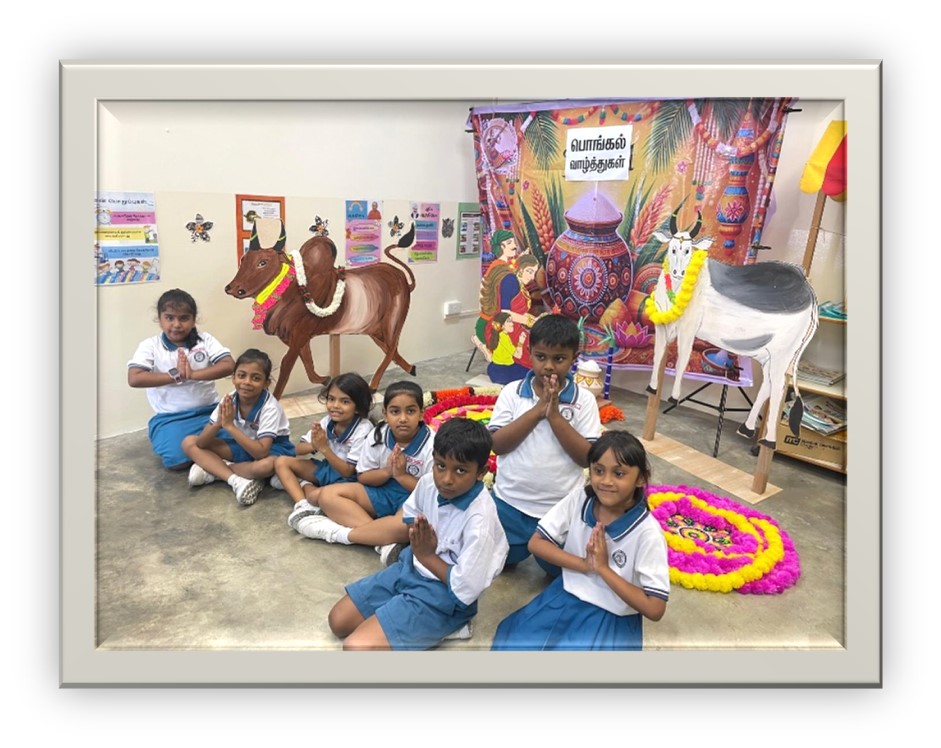
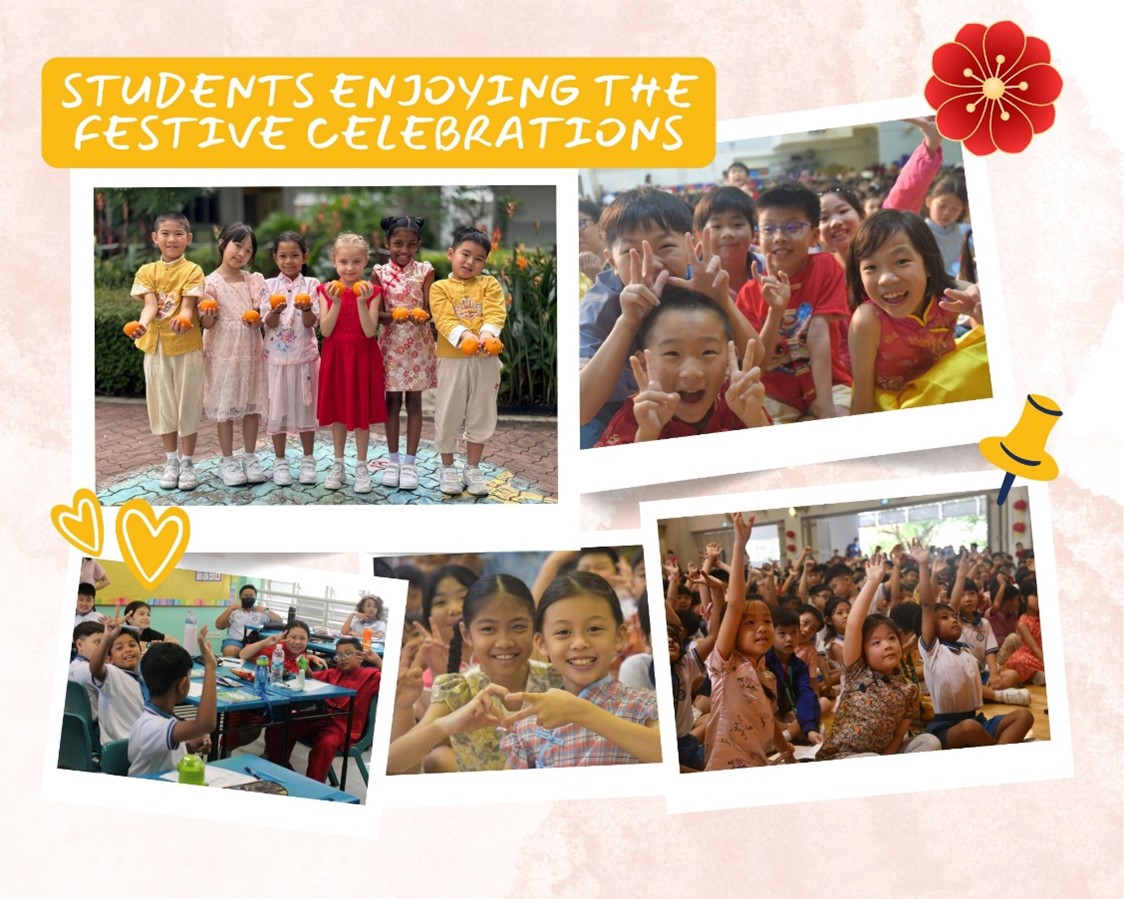
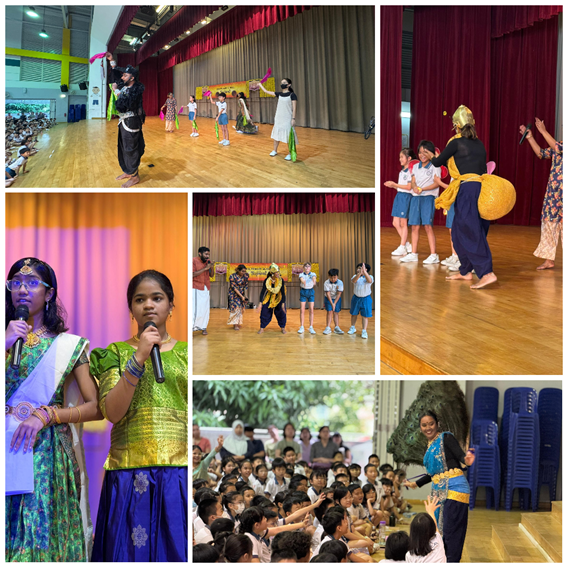
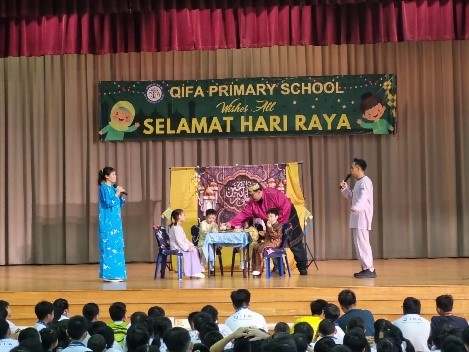
Festive Celebrations
Through interactive performances and activities during Chinese New Year, Hari Raya Puasa and Deepavali, pupils experience rich cultural traditions, fostering inclusivity, respect and a strong sense of identity in Singapore’s multicultural society.
4. Inspiring a Love for Reading 📖
Mother Tongue SOAR Programme (Sparking interest, Opening minds, Appreciating cultural roots, Raising bilingual readers)
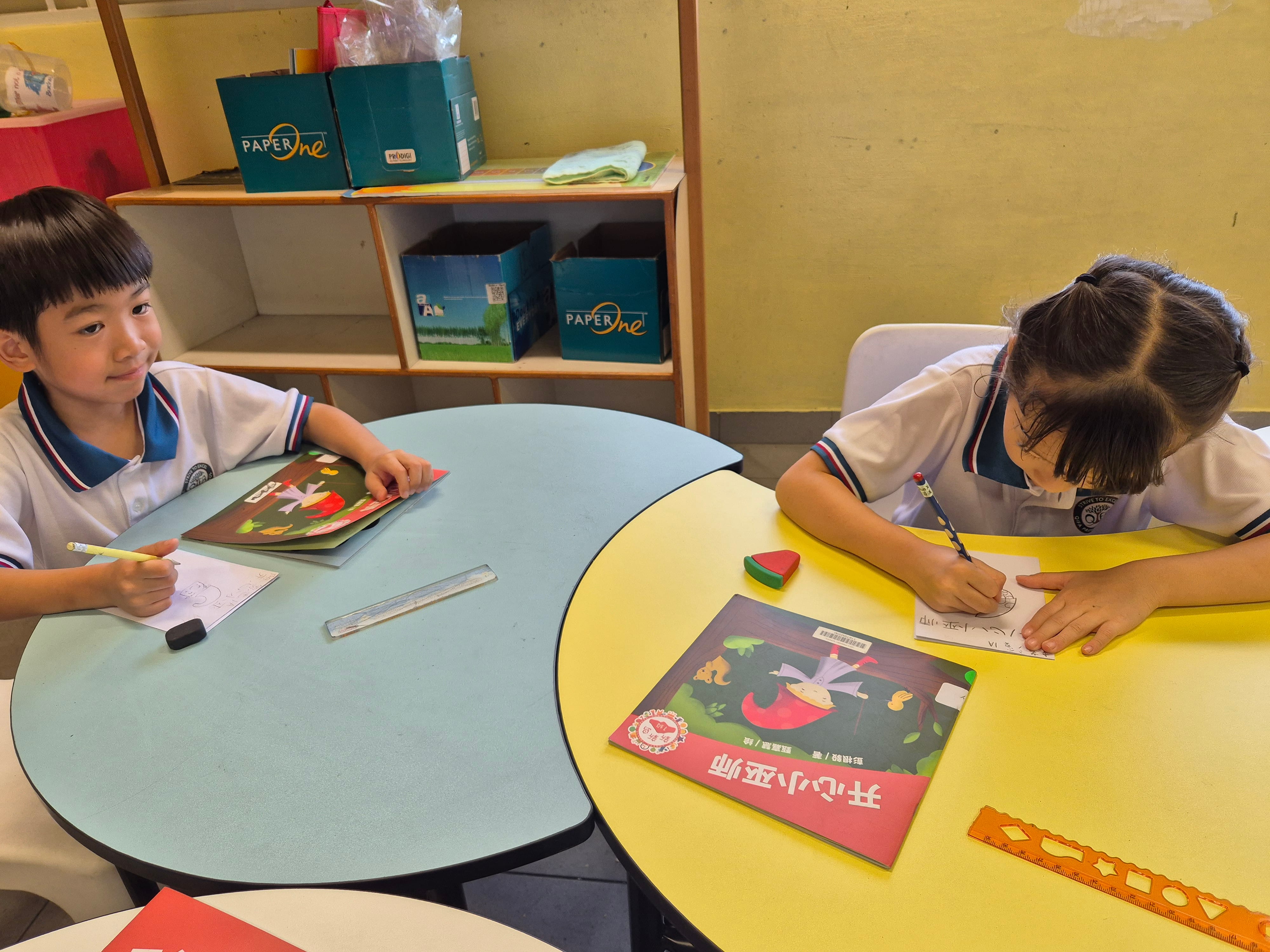
The SOAR Programme nurtures joyful and independent readers through engaging literacy experiences:
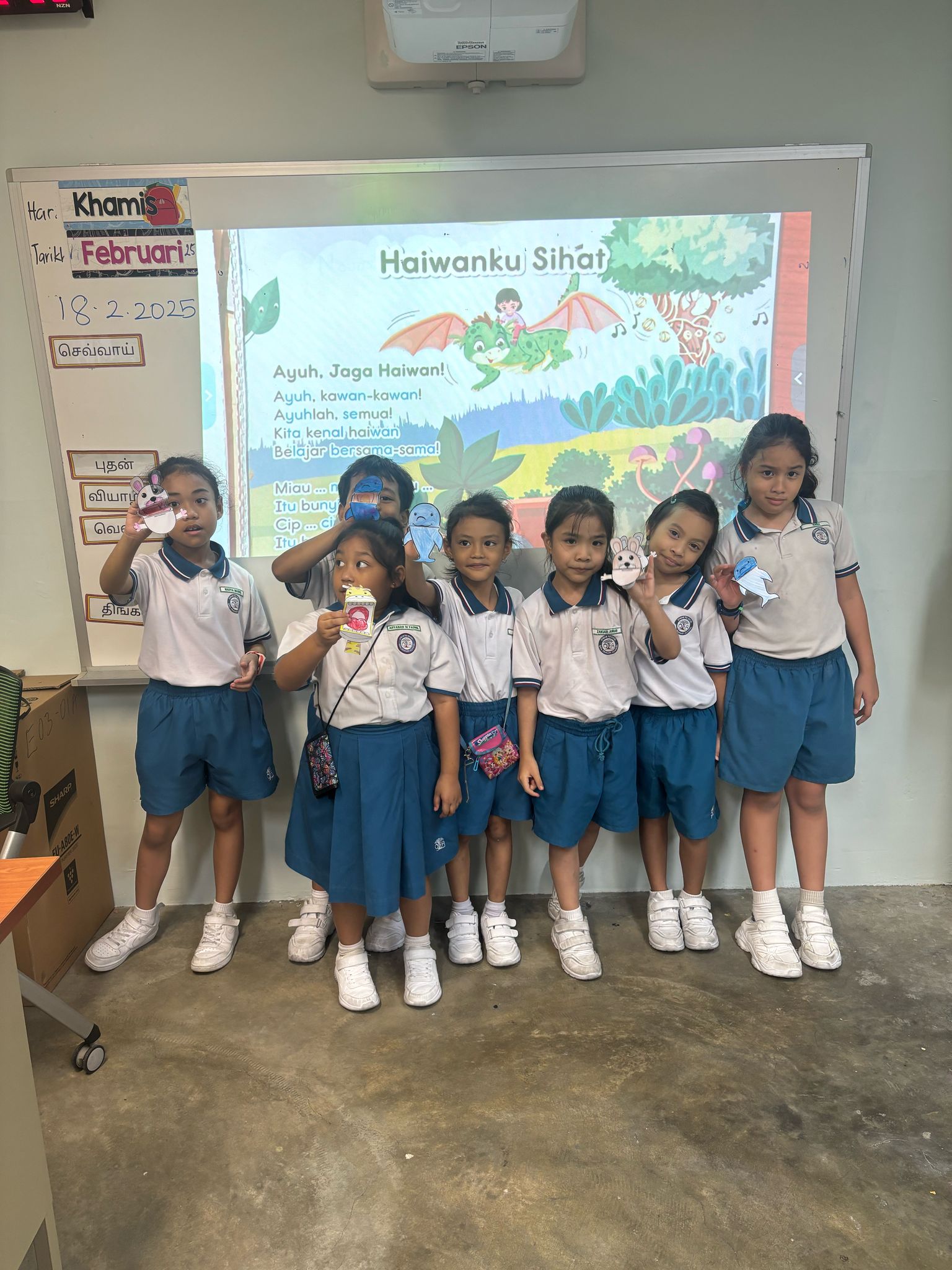
P1 & P2: Weekly reading sessions and book documentation
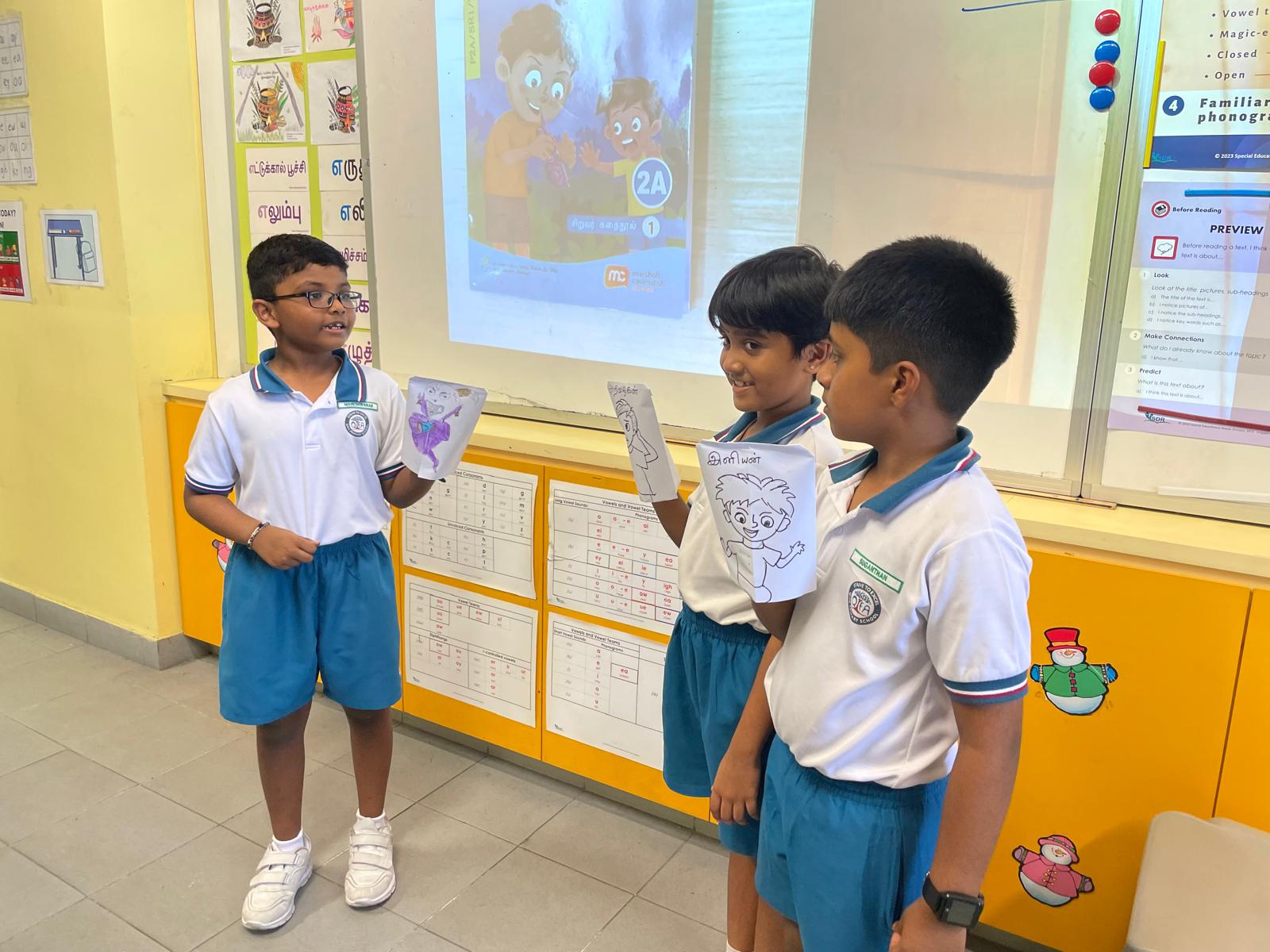
P3–P6: Digital book reflections using EdTech platforms such as Padlet
Parent-child reading activities and library visits: Strengthening home-school partnerships
Pupils are also empowered to select books for the school library, fostering ownership and pride in their reading journey.
5. Learning Language Through Play and Challenge 🧩
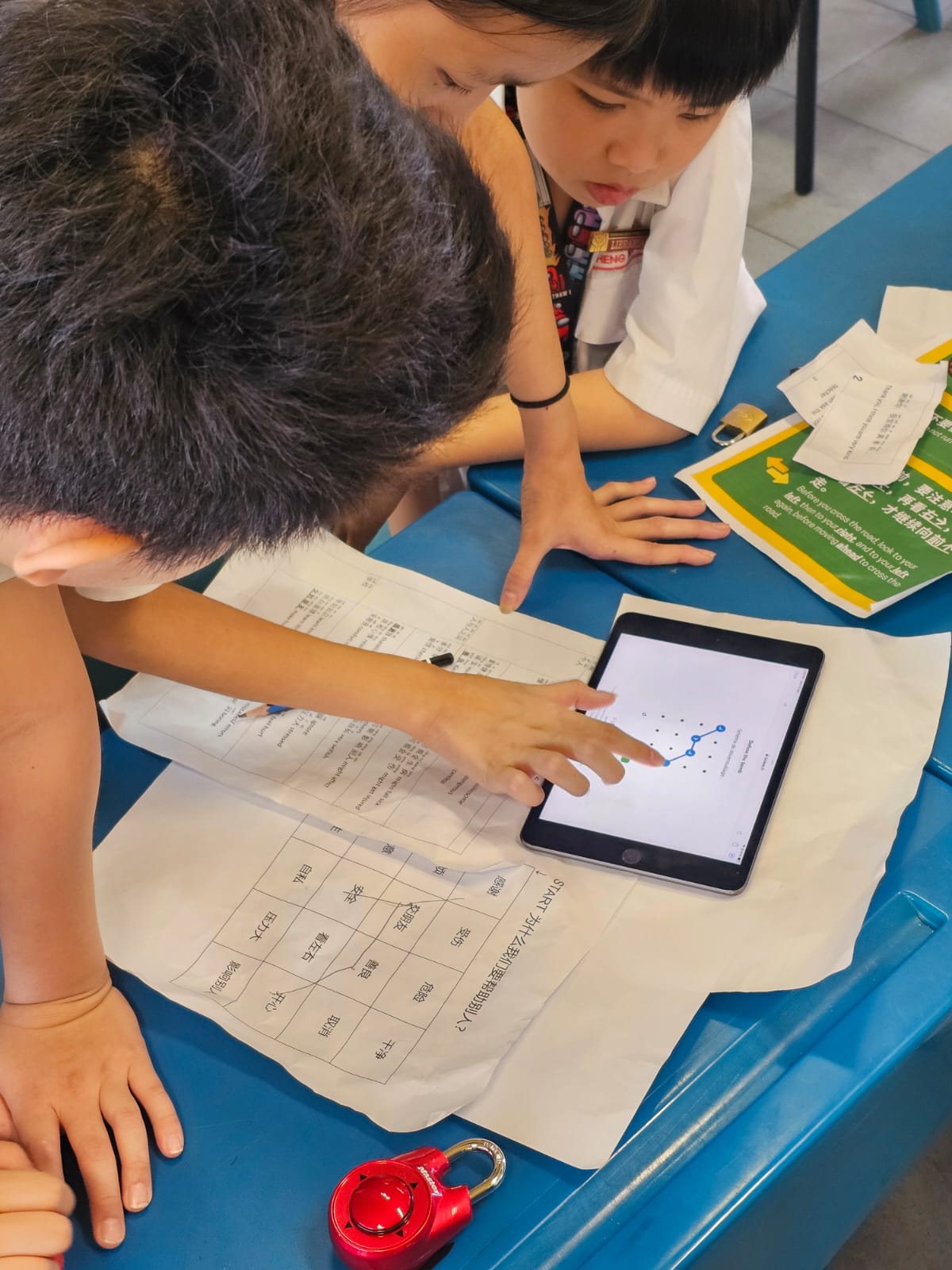
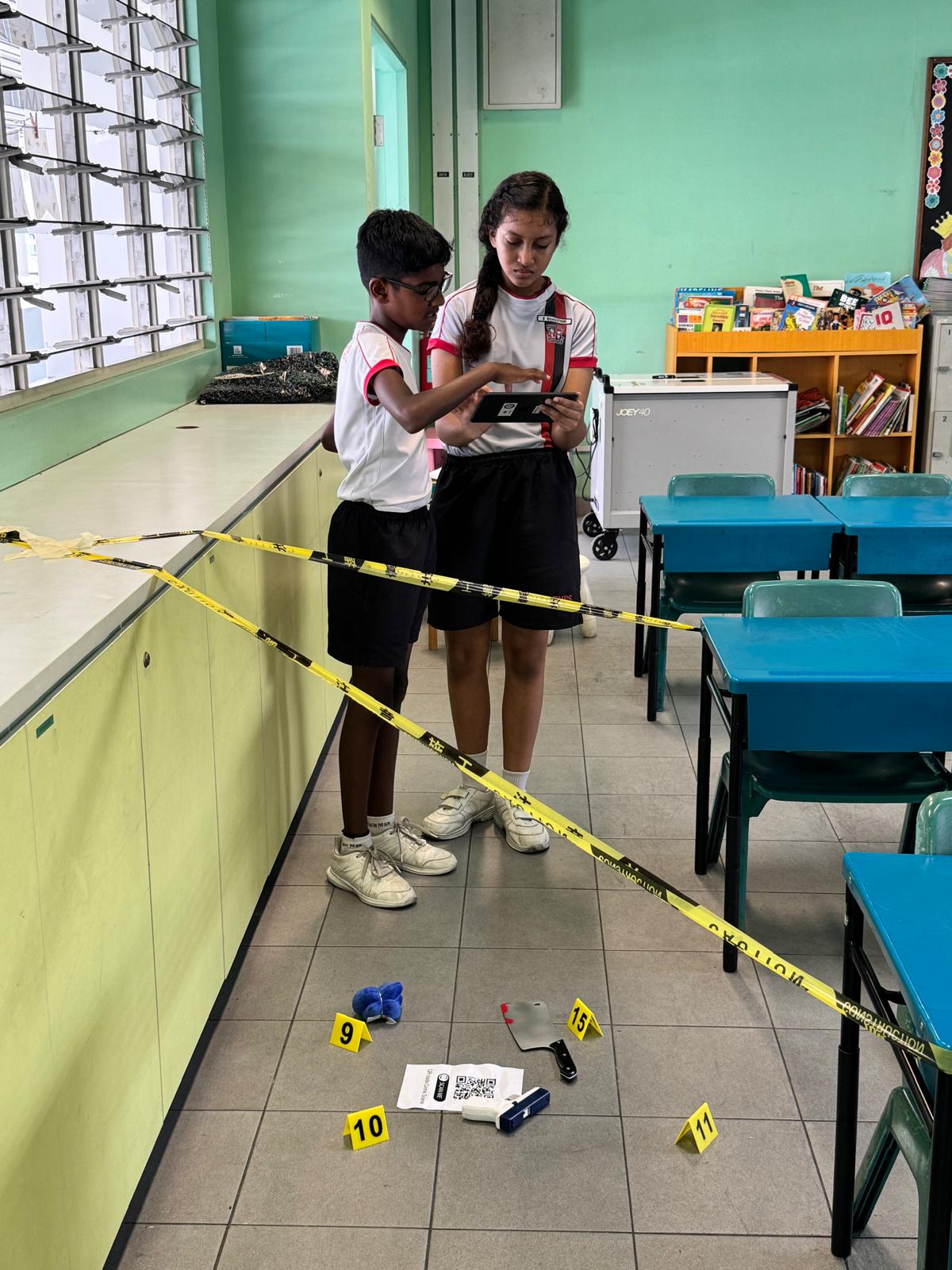
Mother Tongue Escape Room Challenge
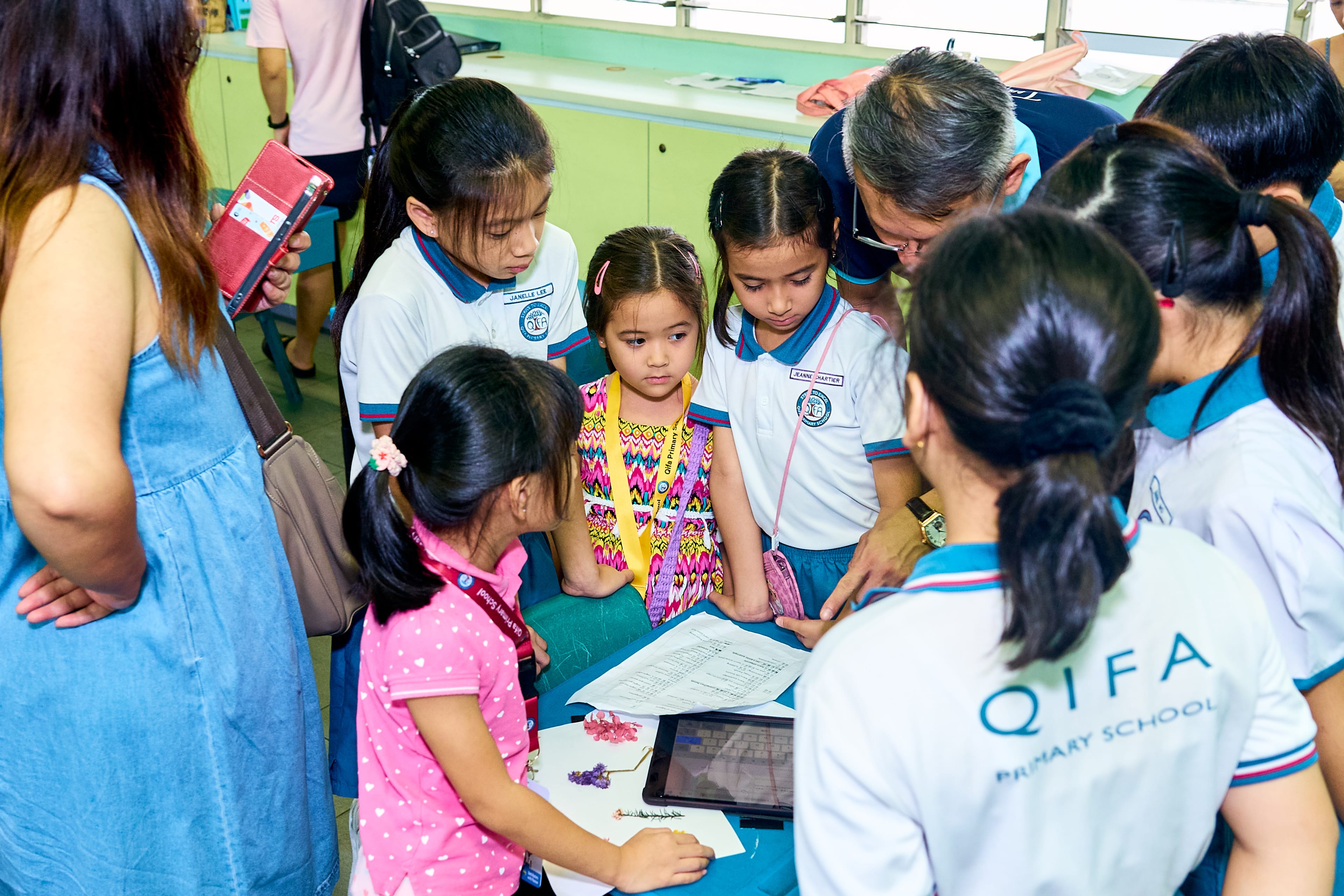
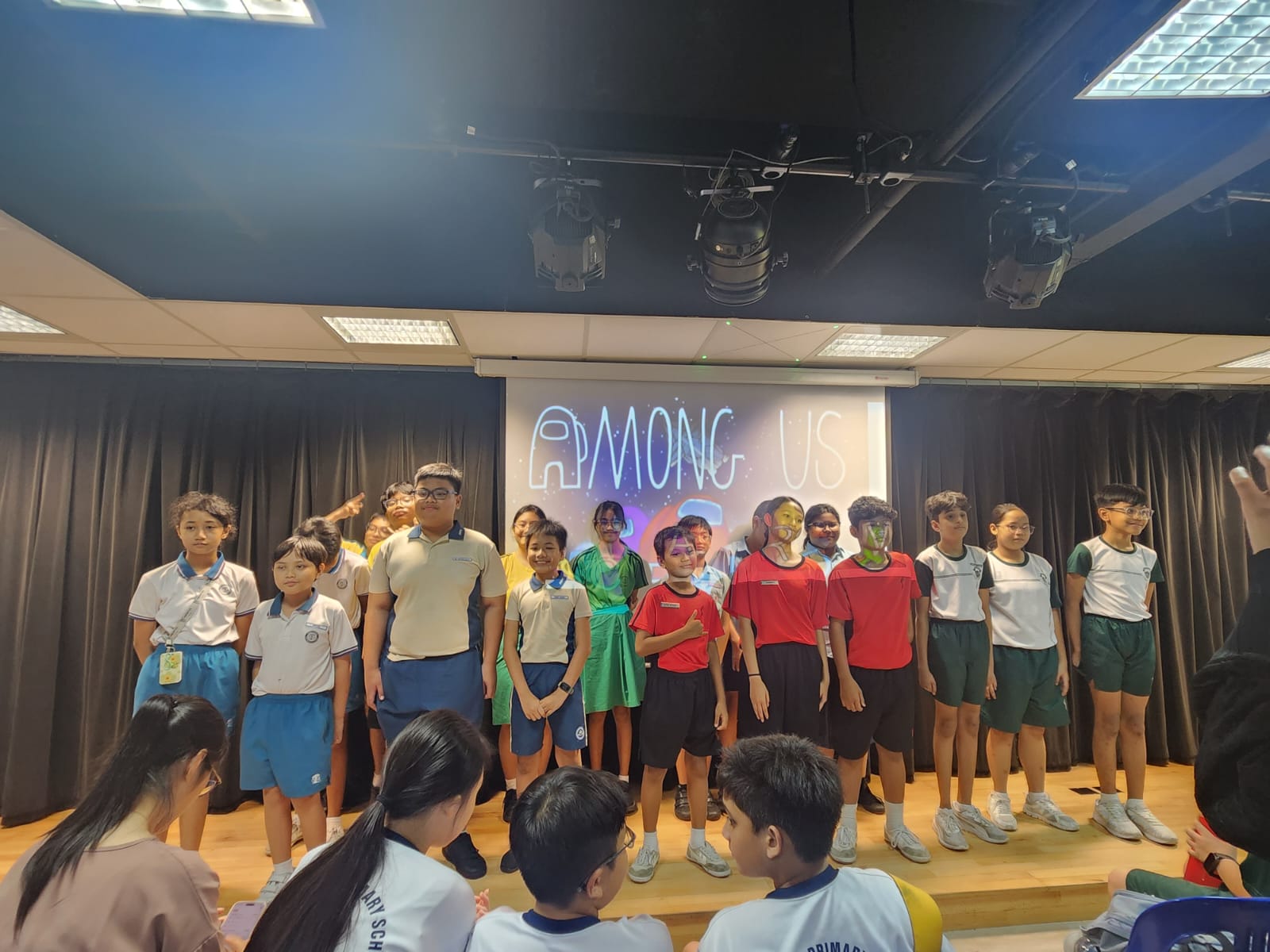
An exciting and immersive experience where pupils apply their Chinese, Malay or Tamil language skills to solve puzzles in real-world contexts. As hosts of the National Escape Room Challenge, our pupils also take on leadership roles, developing communication and facilitation skills. This challenge is a highlight of our BEEs Day.
6. Exploring New Languages and Voices 🗣️
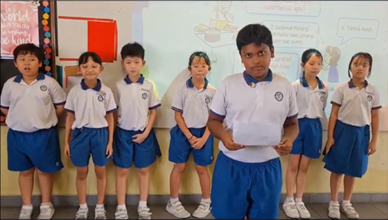
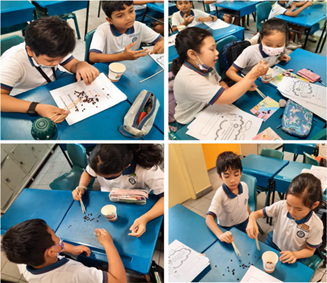
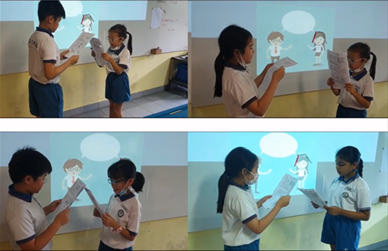
Conversational Chinese & Malay (CCM) Programme
Offered to Primary 2 pupils, the CCM Programme introduces an additional language in a fun and interactive way. Through real-life conversational scenarios, pupils build confidence, adaptability and cross-cultural understanding.
7. Growing Confident Speakers 💬
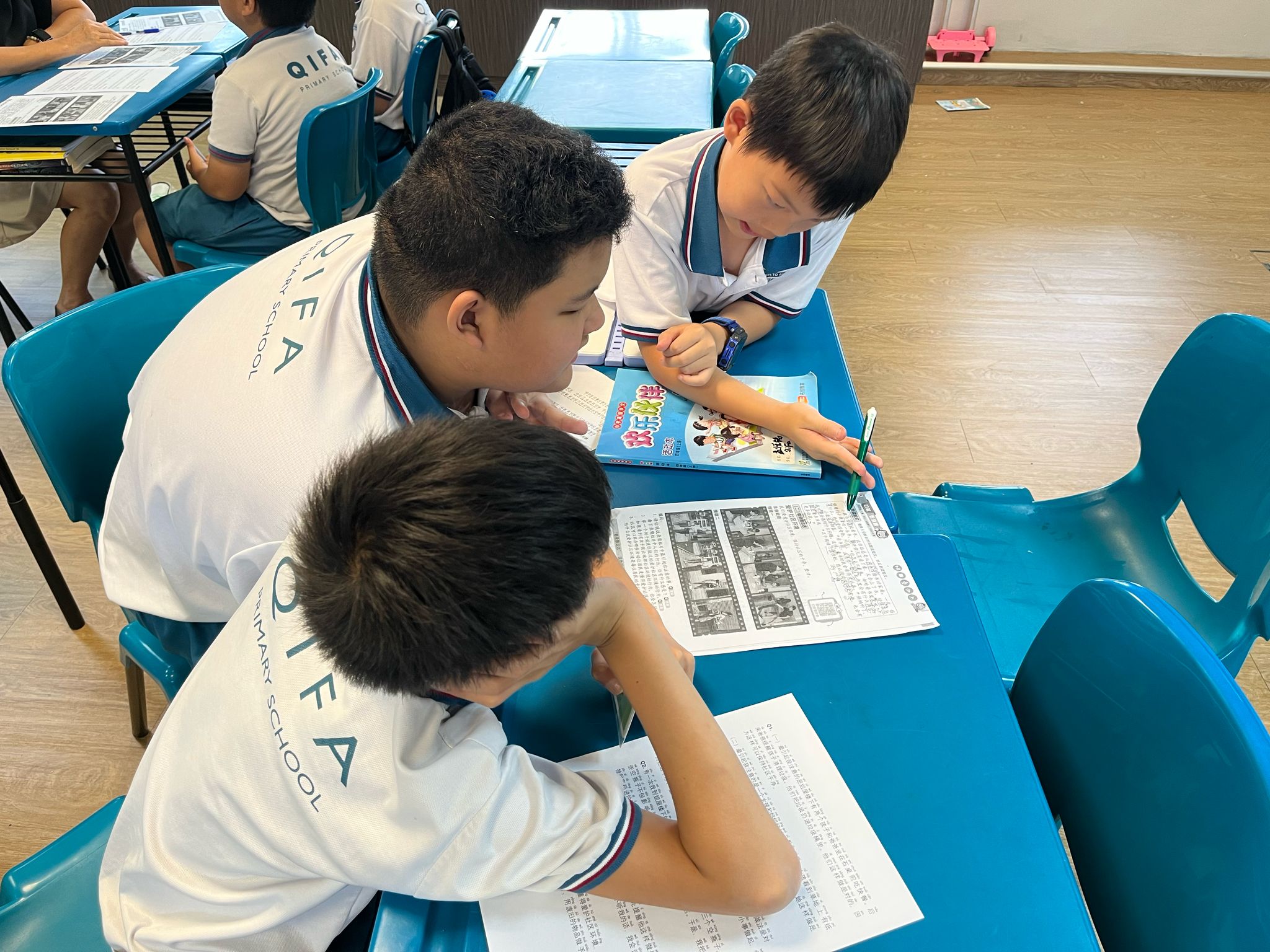
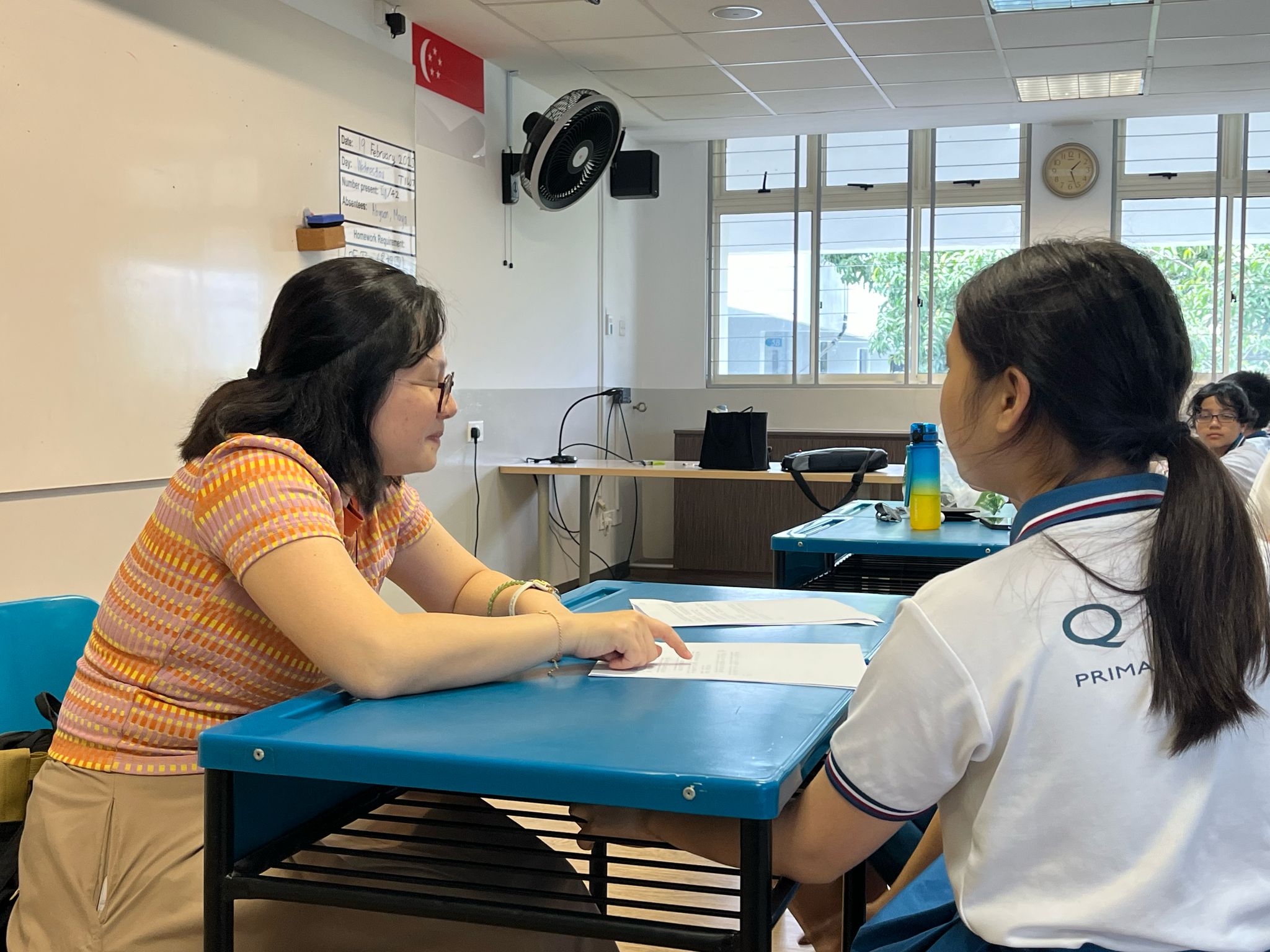
Oral Buddy Programme
In collaboration with teachers and parent volunteers, this programme provides pupils with meaningful conversational opportunities in a supportive environment. It strengthens speaking confidence, nurtures reflective thinking and reinforces strong home-school partnerships.
Through these rich and varied learning experiences, the Mother Tongue Department is committed to nurturing confident communicators, culturally grounded individuals and lifelong learners — ready to thrive in a diverse, multilingual and globalised world.